
Water Damage & Insurance: What Property Managers Wish They’d Known Sooner
Water damage has a way of showing up at the worst possible moment - overnight, on weekends, or right before a holiday. And while the physical cleanup is stressful, it’s often the insurance process that turns a bad situation into a prolonged headache.
If you’ve ever wondered why numbers keep changing or why no one can give you a final answer upfront, here’s the truth: water damage is unpredictable by nature, especially in older Bay Area buildings.
Why Water Damage Is So Hard to Price Up Front
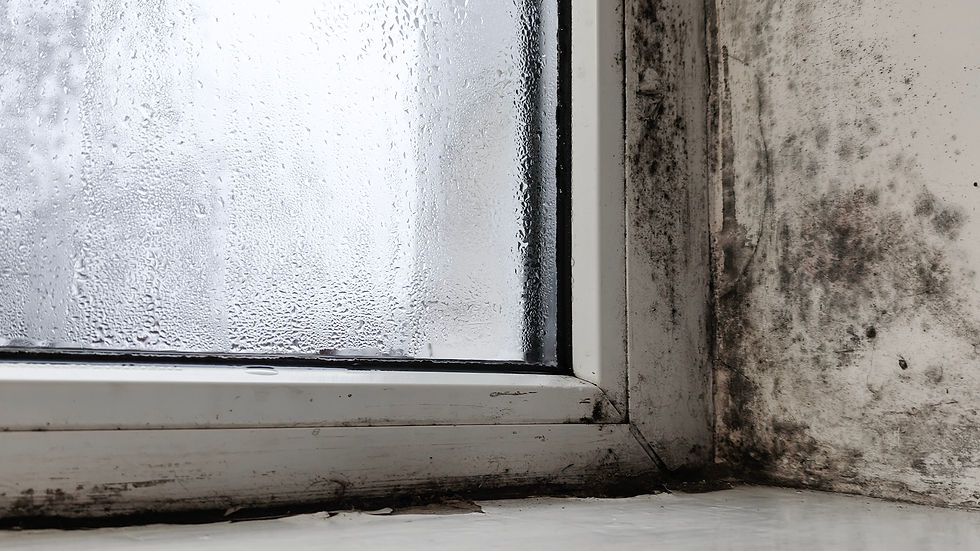
Unlike a standard repair, water damage unfolds in layers. You often don’t know the full scope until walls are opened and areas are dried. Water can travel far beyond what’s visible, soaking insulation, framing, or subfloors. And that dreaded mold can start forming quickly.
That’s why early estimates often shift. It’s not guesswork or incompetence, it’s the reality of how water behaves.

Mitigation vs. Repair (and Why Speed Matters)
One of the biggest misconceptions is that mitigation and repair are the same thing. They’re not. Mitigation is about stopping the damage from spreading: extracting water, drying materials, containing moisture, and preventing mold. Repair comes later, fixing or replacing what was damaged once everything is dry and the full scope is clear.
The faster mitigation happens, the smaller (and less expensive) the insurance claim tends to be. In the Bay Area, where buildings are older and moisture lingers, even a short delay can dramatically change the outcome. When potential mold enters the picture, the conversation shifts from cleanup to habitability. In California, hazardous mold must be addressed once reported, which raises expectations around speed, communication, and documentation. And preventing mold is always easier (and less stressful) than remediating it later.
Where Insurance Claims Usually Get Stuck
Insurance doesn’t just pay for damage - it pays for documented damage. That means photos, moisture readings, timelines, and clear notes about what was found once areas were opened.
Claim timing slows down not because the damage isn’t real, but because the documentation needs to be strong enough to support it. Consistent documentation, especially photos, make a huge difference. And tailoring info to the adjuster’s own paperwork and process (often using the Xactimate system) can speed things up even further.
What Property Managers Can Do
No one can eliminate water incidents entirely, but a few early decisions can make the insurance process far less painful:
Respond quickly, even before the full scope is known
Separate mitigation from long-term repairs
Prioritize documentation and regular updates
Work with teams that understand insurance workflows
Keep owners and tenants informed early and often
Why This Matters (and Where Dryfast Fits In)
In the Bay Area, water damage can escalate quickly if it’s not handled carefully. Understanding how insurance views these incidents, and why the process works the way it does, gives property managers more control in moments that otherwise feel chaotic.
It’s also why we value partners like Dryfast Property Restoration, who focus on fast response, thorough documentation, and clear communication, all of which help keep water damage from turning into a months-long ordeal.
Brought to you by Property Atlas.


Comments