
Spring Has Sprung — Time to Look at Your Trees
The trees on your property aren't decoration, they're infrastructure. They can drop limbs on parked cars, scrape siding, lift sidewalks (hello, trip-and-fall claims), block streetlights, drop debris into the gutters you just paid to clean, and occasionally get into the sewer lateral. Out of sight, out of mind…until they aren't.
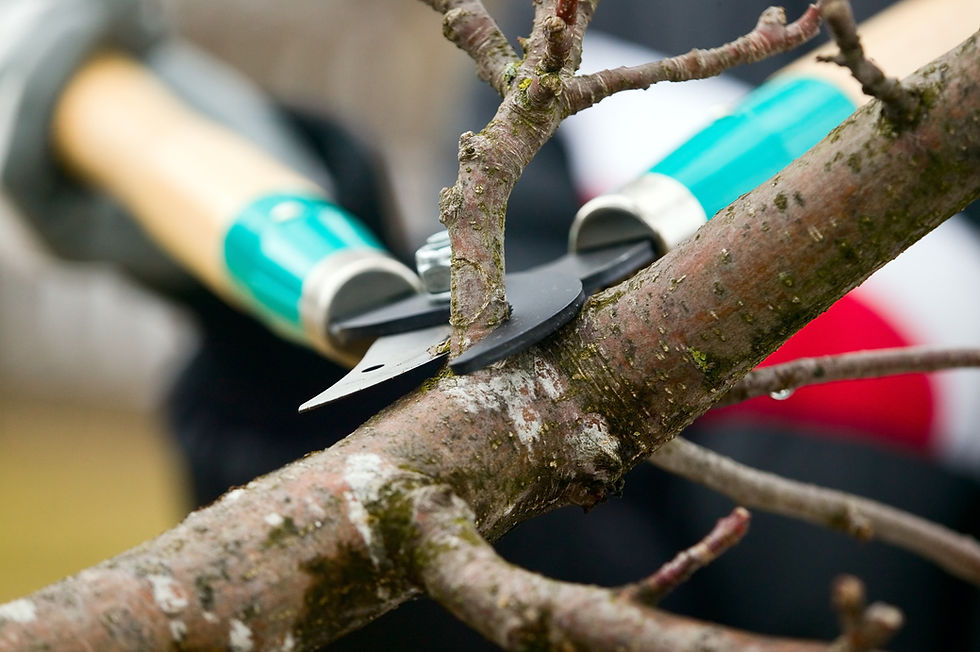
Spring is the right time to look at your trees, even if it's not always the right time to prune them. The wrinkle most generic spring-cleaning content skips? Pruning timing depends on the species. Oaks shouldn't be pruned in spring or summer in California - disease risk is too high. Stone fruit trees prefer summer. Most flowering trees should be pruned right after they bloom. A good arborist will tell you what's safe to cut now and what to flag for later. A guy with a chainsaw and a truck will just cut.
The liability angle (this is the big one)
California case law is unforgiving on tree failures. If a limb drops and damages someone or something, "I didn't know" doesn't go very far. Courts apply a "should have known" standard, and a documented annual inspection from a certified arborist is one of the strongest defenses on record. For multi-family and commercial properties, this is real money-on-the-line stuff, not a nice-to-have.
Compliance, briefly
SF and most Bay Area cities regulate street trees and significant trees on private property. Pruning more than 25% of a canopy typically requires a permit, and removal almost always does. Doing it wrong invites fines, mandatory replacement plantings, and sometimes a stop-work order on unrelated projects. PG&E covers some line-clearance work near distribution lines, but they don't always catch hazards in time, and post-2017 wildfire liability has made this much more serious. Confirm who's responsible for what before something falls.
Pro tips for managers hiring this out
Hire ISA-certified arborists, not "tree guys." Verify the credential. In California, the contractor should also hold a C-61/D-49 license and carry workers' comp plus liability insurance.
Ask for a written tree inventory and risk assessment, not just a price for cuts. This becomes your defense file.
Confirm permits are pulled by you or by the contractor. Get it in writing.
Make sure your vendor can match the technique to the tree. SF in particular has lots of ficus trees on commercial corridors where a regular cut-back cycle (“pollard”) is the right move. Other species (oaks, magnolias, redwoods) should never be cut that way. A qualified arborist knows the difference, an unqualified one applies the same approach to everything.
Bundle with other spring exterior work (gutters, windows, paint touch-ups). Fewer mobilization days, fewer tenant disruptions.
Document everything. Photos, arborist reports, permit numbers. Same logic as the gutter and window posts: small effort, big payoff if anything ever goes sideways.
Don't wait for the next visit if you see these
Storm damage, visible cracks at branch unions, dead limbs hanging over walkways or parking, mushrooms growing on the trunk (a root rot indicator), or any tree leaning more than it used to. These don't wait for a scheduled appointment.
The takeaway
Trees are the part of your property most likely to cause real damage if neglected, and the part most managers think about least. Spring is the right time for the inspection, the documentation, and the conversation about what gets pruned now versus later in the year.
Brought to you by Property Atlas.


Comments